Tilman Fertitta Proposes $17.6 Billion Deal to Take Caesars Entertainment Private
Zoe Fischer · Jul 9, 2026

Tilman Fertitta Proposes $17.6 Billion Deal to Take Caesars Entertainment Private
Billionaire Tilman Fertitta submitted a $17.6 billion offer to acquire Caesars Entertainment and take the company private in early July 2026, according to reports from industry observers tracking major gaming transactions. The proposal came from the chairman of Fertitta Entertainment who already operates the Golden Nugget casino brand and holds stakes in several other properties. This move targets one of the largest operators on the Las Vegas Strip where public market pressures have prompted several companies to consider changes in ownership structure.
Details of the Proposed Transaction
The offer values Caesars at a premium to its recent trading levels and includes assumptions about debt restructuring that would allow the company to operate without quarterly earnings reporting requirements. Fertitta's approach aligns with patterns seen in prior years when private investors acquired gaming assets during periods of market volatility, and data from the Nevada Gaming Control Board shows several similar transitions in ownership over the past decade. Company filings indicate Caesars maintains significant real estate holdings along the Strip including Caesars Palace and Harrah's properties that would transfer under the proposed deal.
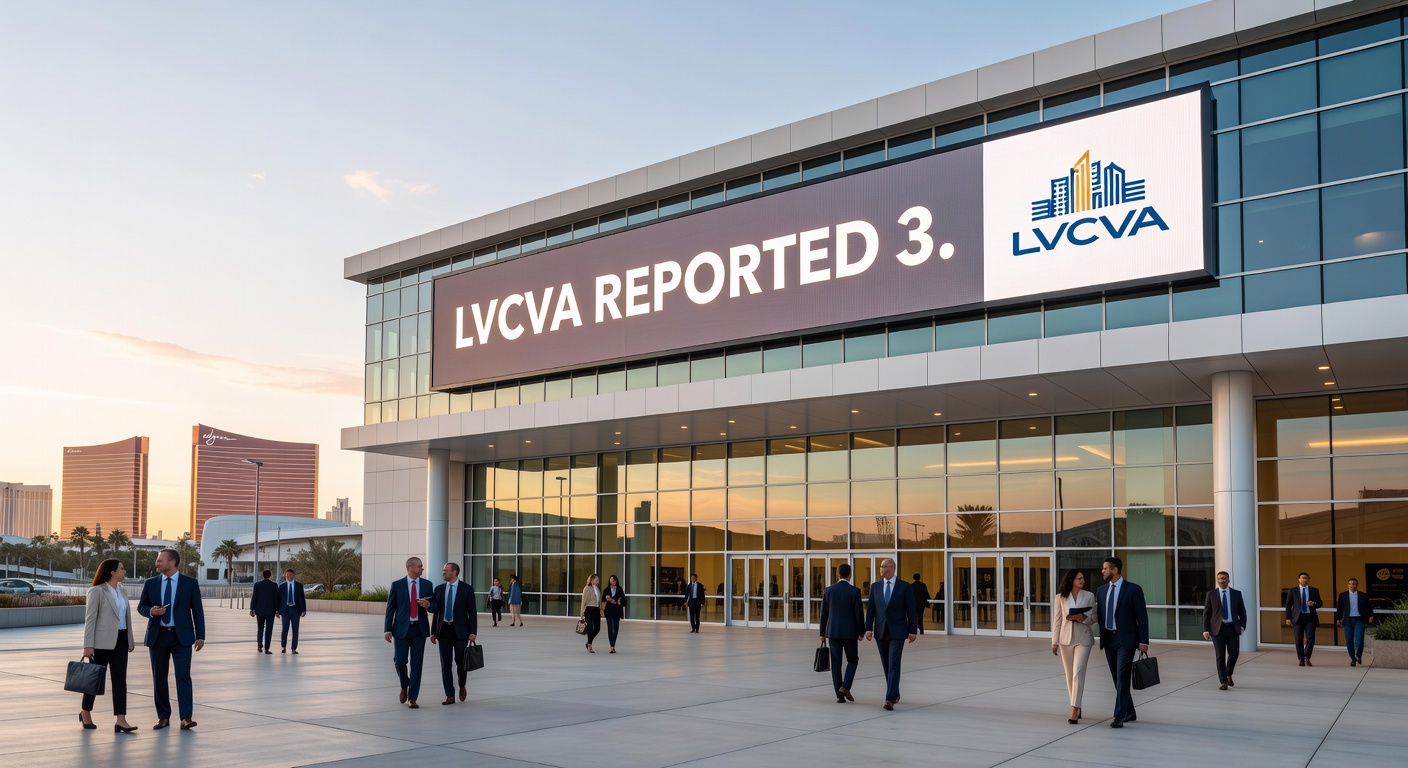
Less than a week after the initial bid surfaced, media executive Barry Diller's People Inc. submitted a competing proposal that exceeded the $17.6 billion figure. This second offer reflects continued interest from investors seeking exposure to Las Vegas gaming assets as visitor numbers remain elevated. Figures released by the Las Vegas Convention and Visitors Authority show 3.27 million visitors arrived in April 2026 with strong room rates helping offset any occupancy fluctuations.
Market Context for Privatization Interest
Multiple casino operators on the Strip have explored exits from public markets in recent months while billionaire investors increase direct stakes in Nevada gaming. Research from industry analysts at the University of Nevada, Las Vegas highlights how regulatory environments in the state support such transactions through established licensing pathways. The pattern emerges as companies weigh the costs of compliance and shareholder expectations against the flexibility of private ownership structures.
People Inc.'s larger bet signals that additional capital remains available for major gaming acquisitions even after the initial Fertitta proposal. Records from the Nevada Gaming Commission document increased activity in ownership transfers during 2025 and 2026 as private equity groups evaluate Strip properties. Those who've tracked these developments note that debt levels at public companies often factor into decisions to pursue privatization.
Broader Industry Implications
Evidence from gaming association reports indicates that operators across the United States monitor these high-profile bids for signals about valuation trends. Caesars Entertainment's portfolio spans multiple states yet the Las Vegas assets represent a core component of its brand recognition. The timing in July 2026 coincides with ongoing discussions about capital allocation strategies among several publicly traded gaming firms.
Observers at teh American Gaming Association point to similar transactions in other jurisdictions where private investors acquired regional casino groups. Data compiled by Canadian regulatory bodies shows parallel movements in Ontario markets where ownership changes have accelerated since 2024. These patterns suggest that investor appetite for gaming extends beyond Nevada while remaining concentrated among those with prior experience in hospitality or entertainment sectors.
Regulatory and Operational Considerations
Any completed transaction would require approval from the Nevada Gaming Commission along with reviews from other state regulators where Caesars holds licenses. The process typically includes background checks on new owners and assessments of financial stability. Fertitta's existing gaming licenses in Nevada and Louisiana position the bidder with established compliance history that could streamline certain aspects of the review.
People Inc. would face similar regulatory hurdles should its larger offer advance. Industry reports from the Australian Institute of Criminology note that cross-border investors in gaming often establish local partnerships to navigate licensing requirements. The current environment in Nevada emphasizes transparency in funding sources and operational plans for properties post-acquisition.
Conclusion
The sequence of bids from Fertitta and People Inc. illustrates active interest in reshaping ownership of major Las Vegas operators during July 2026. Both proposals target Caesars Entertainment's public status and reflect wider trends among investors seeking direct control over Strip assets. Regulatory processes will determine next steps while market participants continue to track developments in real time. Additional filings and announcements are expected to clarify timelines and terms as the situation progresses.